
Entertainment
What You Need to Know About Onionplay.io

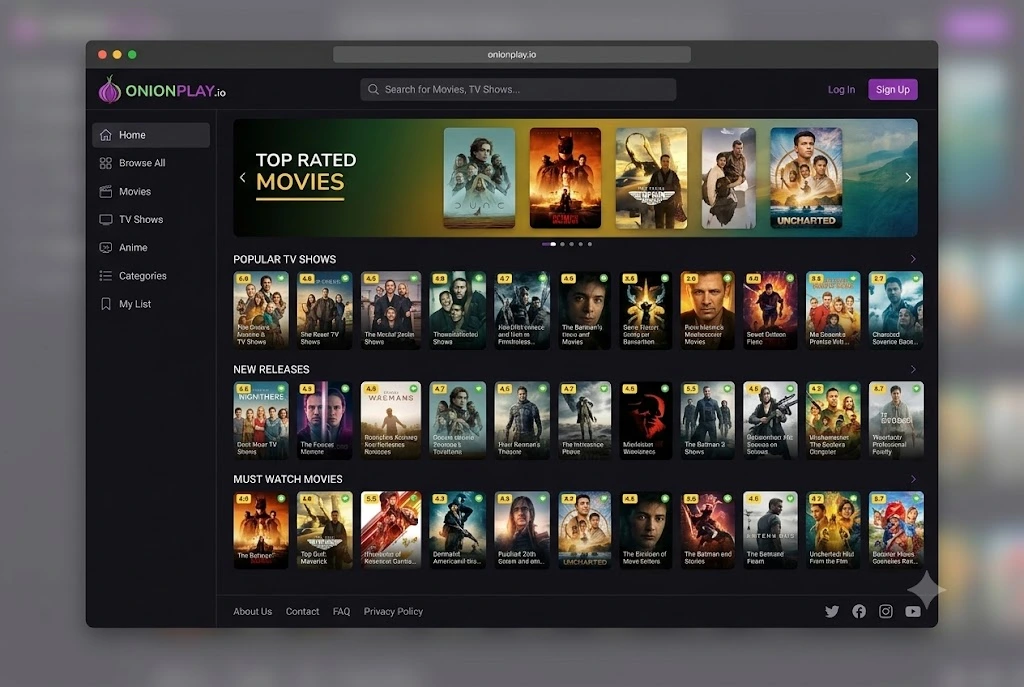
Is onionplay.io safe? Security researchers have identified this domain as a phishing platform. Learn the risks, red flags, and what to do if you’ve already visited this site.
Table of Contents
Introduction
You’re probably here because you came across onionplay.io and you’re wondering if it’s legit. Or maybe you already clicked on it and now you’re feeling a bit uneasy. Let me give it to you straight: this site is not a streaming service. Security researchers have looked at it and they’ve come to a pretty clear conclusion—onionplay.io is a phishing domain designed to steal your personal information.
Security firm Gridinsoft ran their checks and gave this site a trust score of 7 out of 100. Some security scanners have rated it even lower—as low as 1 out of 100. That’s not a site you want to enter your email address into.
What Exactly Is Onionplay.io?
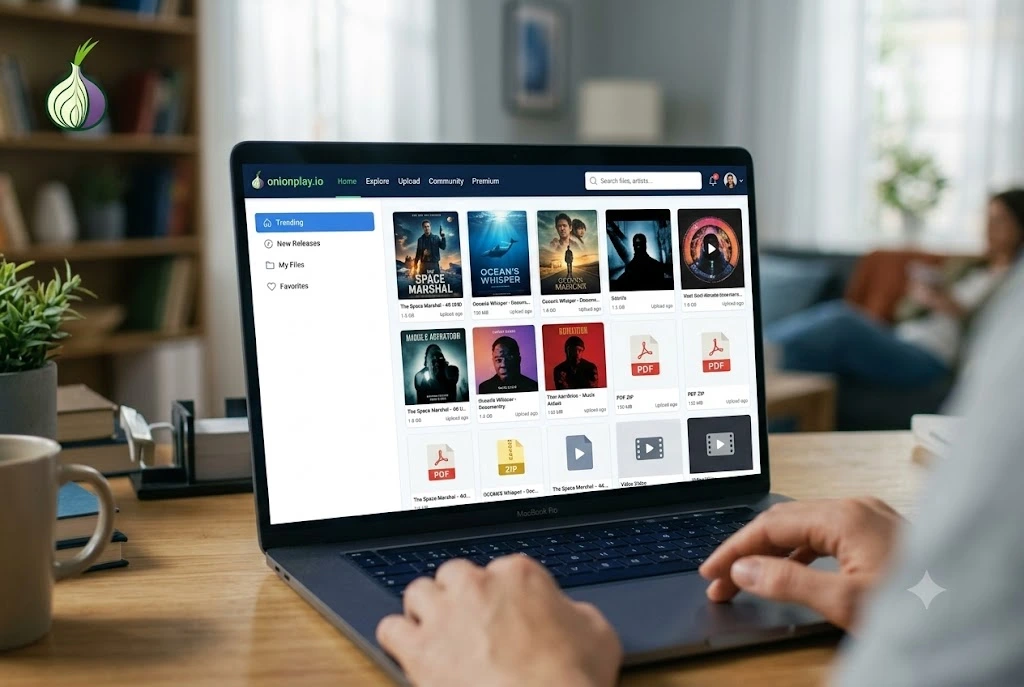
Let’s break this down in plain terms. Onionplay.io is a website that claims to offer free streaming of movies and TV shows. It looks similar to other free streaming sites you might have seen. There’s a search bar, categories, thumbnails of movies, and a big “play” button.
But here’s the catch. The original OnionPlay was a different thing altogether. It was an actual streaming site that got shut down after authorities seized its domain. Since then, multiple copycat domains have popped up, all trying to use the OnionPlay name to attract visitors.
Onionplay.io is one of those copycats. But it’s not just a streaming site that happens to be unlicensed. It’s worse than that. According to security analysis, it’s a phishing platform. That means it’s specifically designed to trick you into handing over personal information.
The domain was registered about two months ago through Spaceship, Inc. The ownership information is hidden, which is standard practice for sites that don’t want to be traced. Security providers have blacklisted it. Heuristic analysis—which is basically automated pattern recognition that security tools use—has flagged it for suspicious activity.
The Red Flags You Should Know About
Let me walk you through the warning signs that security researchers have identified. This matters because understanding these patterns will help you spot similar scams in the future.
The domain is extremely young. Onionplay.io was registered roughly two months ago. Legitimate streaming services don’t usually pop up out of nowhere with massive libraries of content. They take time to build. A brand new domain with a huge content offering is a classic red flag.
The ownership is hidden. When you register a domain, you typically have to provide your name and contact information. You can pay for a privacy service that hides this from public view, which is common. But when a site is set up to scam people, hiding ownership is part of the playbook.
Security providers have blacklisted it. Multiple security scanners have flagged this domain. That doesn’t happen by accident. These scanners run automated checks that look for patterns associated with phishing, malware distribution, and other malicious activities.
There are forms asking for personal information. If you spend any time on the site, you’ll eventually come across forms that ask for your name, email address, or phone number. Some versions of the site have even asked for payment details. This is how phishing works—you’re convinced to enter information under false pretenses.
There are fake trust signals. Scam sites often display badges that make them look legitimate. They might show logos of “verified secure” services or fake customer reviews. The goal is to make you lower your guard.
How Phishing Sites Like This Actually Operate
Phishing is a word that gets thrown around a lot, but people don’t always understand how it works in practice. Let me explain the typical pattern so you can recognize it when you see it.
First, the site chooses a brand name that people already trust or recognize. In this case, they picked OnionPlay because it was a well-known streaming site. People search for it, and they find onionplay.io instead.
Second, they design the site to look legitimate. They copy layouts from real services. They use similar color schemes and branding. They might even include fake copyright notices or privacy policies to appear more trustworthy.
Third, they create a sense of urgency. This is a common tactic. You might see messages like “verify your account now” or “complete your profile to continue watching.” The goal is to make you act quickly without thinking too much about what you’re doing.
Fourth, they collect your information. This is where the actual theft happens. You enter your email and password, thinking you’re creating an account for a streaming service. But what you’re really doing is giving those credentials to people who will use them to break into your other accounts.
Fifth, they exploit what they’ve stolen. Sometimes they use the information directly for fraud. Other times they sell it to other criminals. Either way, you’re the one who ends up dealing with the consequences.
What Happens If You Enter Your Information
If you’ve already entered personal information on onionplay.io, you need to take action. I’m not trying to scare you, but I want to be honest about what could happen.
Account compromise is the most immediate risk. If you used the same email and password on other sites—and most people do—the scammers can try those credentials on major platforms like Gmail, Facebook, or banking apps. This is called credential stuffing, and it’s one of the most common ways accounts get hacked.
Financial fraud can occur if you entered any payment information. Even if you only entered a phone number, that can be used for SIM swapping attacks where criminals take over your phone number to bypass two-factor authentication.
Identity theft is a longer-term concern. The more personal information you provide, the more dangerous it becomes. If you gave your full name, address, and date of birth, that information can be used to open credit accounts or take out loans in your name.
Your device could be compromised. Some phishing sites also drop malware onto your device. This can happen just by visiting the site, especially if you click on anything or allow pop-ups. Malware can capture your keystrokes, steal saved passwords, or give remote access to your computer.
What to Do If You’ve Already Visited the Site
If you’ve already visited onionplay.io and you’re worried, here’s a practical action plan. I’d recommend doing these things in the order I’ve listed them.
Change your passwords immediately. Start with your email account because that’s often the master key to all your other accounts. Then change passwords for any other accounts where you use the same password. Use strong, unique passwords for each account. A password manager can help with this.
Enable two-factor authentication. This adds an extra layer of protection. Even if someone has your password, they can’t get in without the second factor. Use an authenticator app rather than SMS if possible.
Check your financial accounts. Look for any transactions you don’t recognize. If you entered any payment information on the site, contact your bank or credit card company to let them know. They might recommend canceling the card and issuing a new one.
Run a security scan on your device. Use reputable antivirus software to check for malware. If you’re not sure which one to use, Bitdefender and Malwarebytes are both solid options.
Monitor your credit reports. In the US, you can get a free credit report from each of the three major bureaus once a year. Check for any accounts you didn’t open. Consider placing a fraud alert or credit freeze if you’re concerned about identity theft.
Are There Any Legitimate Free Streaming Sites?
Yes, there are legal ways to watch free content online. The key difference is that these sites operate with proper licensing and don’t try to steal your information.
Tubi is one of the better free options. It’s owned by Fox and has a huge library of movies and TV shows. The content is ad-supported, which is how they pay for the licensing. It’s completely legal and safe to use.
Pluto TV takes a different approach. It offers live TV channels in addition to on-demand content. The interface feels a lot like traditional cable, but it’s free. Again, it’s ad-supported and totally legitimate.
Peacock has a free tier that gives you access to a decent amount of content. It’s operated by NBCUniversal, so it’s about as legitimate as it gets. The free tier doesn’t include everything, but it’s enough for casual viewing.
Crackle is another free option. It’s owned by Sony and has been around for a long time. The selection rotates periodically, so there’s always something new to watch.
These services don’t have everything. They won’t have the latest blockbuster movies the day they come out. But they’re safe, they’re legal, and they won’t try to steal your passwords.
Comparison: Onionplay.io vs Legitimate Streaming Services
| Feature | Onionplay.io | Legitimate Free Services |
|---|---|---|
| Content licensing | None (illegal) | Proper licensing |
| Security | Phishing platform | Secure platforms |
| Data collection | Steals personal info | Requires only basic account info |
| Trust score | 1-7 out of 100 | Usually 90+ out of 100 |
| Copyright compliance | No | Yes |
| Malware risk | High | Low |
| Legal protection for users | None | Full legal protection |
What Security Researchers Are Saying
The security community has been pretty vocal about this site. Gridinsoft published a warning that’s been translated into multiple languages. Their advice is straightforward: don’t trust onionplay.io. Don’t enter passwords, personal information, or payment data.
Other security scanners have flagged the domain as well. The heuristic analysis—which looks at behavioral patterns rather than just checking against a list of known threats—has identified this as a phishing operation.
The trust scores are telling. A legitimate service typically scores above 80 out of 100 on security checks. A score of 7 or 1 out of 100 is essentially telling you that the site is dangerous.
Common Questions About Onionplay.io
Is onionplay.io a virus?
No, it’s not a virus in the traditional sense. It’s a phishing site that collects personal information. But it can also deliver malware, so it’s not entirely safe to visit even if you don’t enter anything.
Can I get in legal trouble for visiting onionplay.io?
Visiting the site itself is unlikely to cause legal problems. But streaming copyrighted content from unlicensed sources is illegal in many countries. The authorities typically go after the site operators, but users can sometimes face consequences too.
Why does the site look like a real streaming service?
That’s intentional. The scammers designed it to look legitimate so you’ll trust it. They copied the look and feel of real streaming sites to make you feel comfortable enough to enter your personal information.
Will my antivirus protect me from onionplay.io?
Some antivirus programs will block the site automatically. Others might not. If your antivirus doesn’t stop you from visiting, that doesn’t mean the site is safe. It just means your particular antivirus hasn’t flagged it yet.
How do I report a phishing site like this?
You can report it to the Federal Trade Commission through their website. You can also forward suspicious emails to the Anti-Phishing Working Group. Browser companies like Google also have reporting tools for dangerous websites.
Why Onionplay.io Isn’t Worth the Risk
I get it. The idea of free movies is attractive. Subscription costs for streaming services have gone up significantly over the past few years. Paying for Netflix, Hulu, Disney+, and Amazon Prime all at once adds up fast. A free option looks really appealing.
But you have to weigh the savings against the risks. Let’s say you save $15 a month by using onionplay.io instead of a legitimate service. Is that $15 worth the risk of having your email hacked? Is it worth having your bank account drained? Is it worth dealing with identity theft and the months or years it takes to clean that up?
The answer is almost certainly no.
The cost of dealing with a security breach can be massive. Time. Money. Stress. The hassle of changing all your passwords. The anxiety of wondering whether someone is using your identity. The time spent on the phone with banks and credit card companies.
It’s just not worth it for the sake of a free movie.
Final Thoughts and Safer Options
Let’s wrap this up with what you actually need to remember.
Onionplay.io is a phishing site. It’s not a legitimate streaming service. Security researchers have confirmed this. The trust scores are terrible. The domain is new and the ownership is hidden. It’s been flagged for malicious activity.
If you’ve already visited the site and entered personal information, change your passwords right now. Monitor your accounts. Run a security scan. If you haven’t visited, don’t start. It’s not worth the risk.
There are legitimate free alternatives out there. Tubi, Pluto TV, Peacock’s free tier, and Crackle are all safe options. They don’t have everything, but they’re secure and they won’t steal your information.
If you’re looking for more content, consider cycling through premium services instead of subscribing to all of them at once. Get Netflix for a few months, then switch to Hulu, then switch to Disney+. You’ll save money and you won’t have to deal with shady websites.
Your security matters more than a free movie. There are already enough headaches in daily life without adding identity theft to the list. Stay safe out there.