Key Takeaways
⦁ Choose an SUV for everyday needs, not for rare occasions.
⦁ Compare passenger room, cargo capacity, comfort, and ease of parking.
⦁ Review verified safety ratings and standard driver-assistance equipment.
⦁ Include fuel, insurance, maintenance, tires, and resale value in the budget.
⦁ Use the test drive to check real items, real passengers, and real routines.
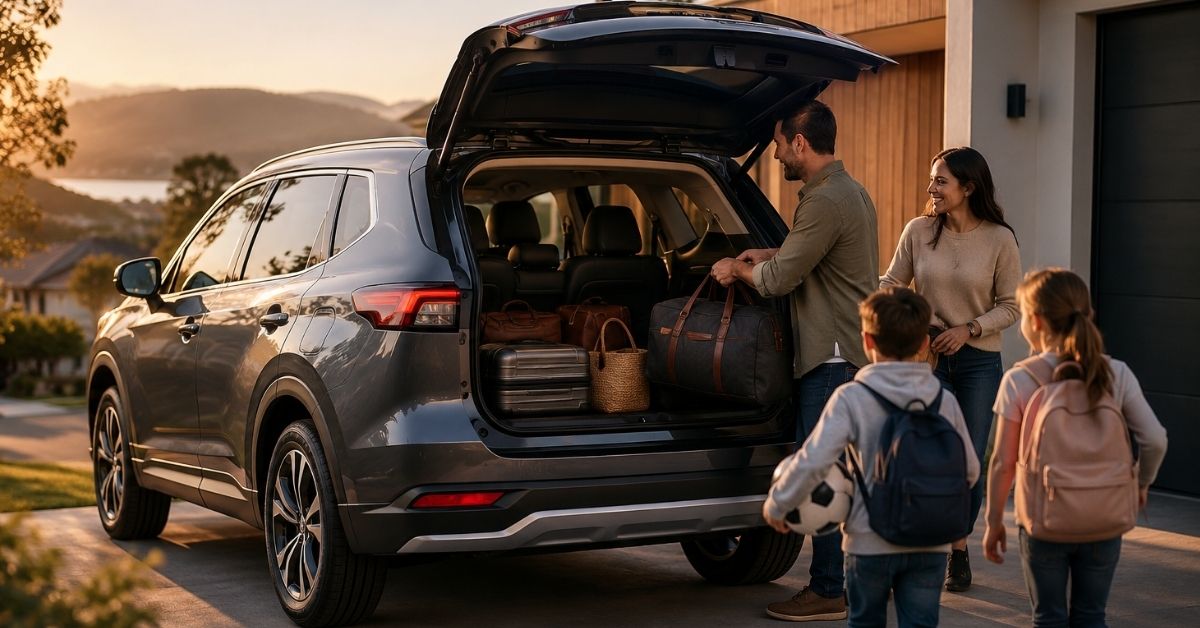
Choosing a 2026 SUV is easier when you start with how you actually drive, carry people, and use cargo space. Rather than shopping by badge, color, or the biggest screen, focus on the vehicle that can make busy weekdays and occasional adventures simpler. For shoppers who want to compare available options while building a practical list, learn more about SUVs that may fit different routines and budgets.
The right SUV should feel useful on school mornings, comfortable on long highway drives, manageable in parking lots, and affordable after purchase. A little planning before the test drive can prevent paying for space, power, or features that do not improve everyday life.
Start With Your Real Driving Routine
Before narrowing the list, think through an ordinary week. Count commuting miles, school drop-offs, errands, highway travel, pets, hobbies, weather, and the number of passengers who ride most often. Also measure the garage, driveway, and usual parking space. An SUV that feels roomy at a dealership can become frustrating if it barely fits at home or is difficult to park at work.
For example, a couple with one dog and light weekend gear may be well served by a compact SUV. A family with rear-facing child seats, a stroller, and frequent road trips may need more second-row room before deciding whether a third row is truly necessary.
Choose The Right SUV Size
Bigger is not automatically better. Larger SUVs can provide more seating, cargo room, and towing capability, but they can also cost more to buy, fuel, insure, maintain, and park.
⦁ Subcompact SUVs work well for city driving, easy parking, and lighter cargo.
⦁ Compact SUVs often balance efficiency, comfort, and useful passenger space.
⦁ Midsize SUVs suit longer trips, larger families, and heavier cargo needs.
⦁ Three-row SUVs make sense when extra seats are used regularly.
⦁ Full-size SUVs are best for buyers who often need maximum room or serious towing capability.
Check Passenger And Cargo Fit
A seating capacity number does not tell the whole story. Seven seats may sound ideal, but adults, child seats, backpacks, groceries, and luggage can quickly make the space feel tight. Check second-row legroom and seat width, door opening size, third-row access, headroom, cupholders, charging ports, and storage for small items.
Pay close attention to the cargo space behind the last row. In many three-row SUVs, that area is best for a few bags rather than a full family trip. Bring a stroller, child seat, work bag, sports equipment, or pet crate to the dealership when possible. Real gear exposes practical limitations more quickly than a specification sheet.
Review Safety Ratings And Driver Assistance
Crash-test performance and driver-assistance features are related, but they are not the same. Shoppers can use the government’s vehicle safety resources to review vehicle-specific ratings, recalls, and safety information. Check the exact model year, drivetrain, and trim because equipment can vary.
Automatic emergency braking, blind-spot monitoring, rear cross-traffic alerts, adaptive cruise control, lane-centering assistance, and parking sensors can make driving less stressful. Still, they support an attentive driver rather than replacing one. It is also useful to compare how models perform in crash protection and crash avoidance through independent vehicle ratings.
Compare Gas, Hybrid, Plug-In Hybrid, And Electric Options
The best powertrain depends on your habits. Gas SUVs are simple to refuel and widely available. Hybrids can reduce fuel use without requiring charging. Plug-in hybrids may work well for drivers with shorter daily trips and reliable home charging. Electric SUVs can be a strong fit when charging access, daily distance, road-trip plans, winter conditions, and towing needs all align.
Do not compare only the advertised range or fuel economy. Consider your local fuel and electricity costs, cold-weather performance, charging time, and whether you can conveniently charge at home.
Calculate The Full Cost Of Ownership
The monthly payment is only one part of the expense. Build a three-year or five-year estimate that includes the purchase price, financing interest, fuel or electricity, insurance, registration, taxes, routine service, tires, brakes, and expected resale value. A lower-priced SUV can cost more over time if it has poor efficiency, expensive tires, or higher insurance premiums.
Make The Test Drive Count
⦁ Set the driver’s seat and steering wheel, then check outward visibility.
⦁ Sit in every row and assess knee room, headroom, and ease of entry.
⦁ Open the hatch, fold seats, and try the storage areas and controls.
⦁ Drive on local roads and highways if possible.
⦁ Notice braking, steering, ride quality, road noise, and parking-camera views.
⦁ Connect your phone and make sure the infotainment system feels intuitive.
Avoid Common SUV Shopping Mistakes
Common regrets include buying the largest model without measuring the garage, assuming every trim has the same safety features, ignoring cargo room behind the third row, and comparing only monthly payments. Avoid choosing one annual vacation instead of the driving you do every week. If considering a used SUV, review its history and inspect its condition before committing.
Common Questions About Choosing An SUV
How Much SUV Does A Small Family Need?
A compact SUV can work for two adults and one or two children when cargo needs are moderate. A midsize option may be more comfortable for frequent trips, pets, bulky gear, or multiple car seats.
Is A Three-Row SUV Worth It?
It is worth considering when the extra seats are used often. Check whether adults can access the third row comfortably and whether there is enough cargo space when every seat is occupied.
How Long Should A Test Drive Last?
Long enough to test normal roads, parking, seating, visibility, controls, and cargo access. A quick drive around the block rarely answers the questions that matter after ownership begins.
Conclusion
The best 2026 SUV is not necessarily the biggest, fastest, or most feature-packed option. It is the one that fits real passengers, real cargo, real roads, and a realistic budget. Compare interior usability, safety, powertrain needs, ownership costs, and test-drive impressions before making a final decision.