Business
Flexport JAX: How It Works for Shippers Using Jacksonville

If you move goods in or out of Jacksonville’s port, you might have run into the term Flexport JAX. It’s not a warehouse you can walk into or a big office building with their name on it. Instead, it’s a set of services Flexport runs for cargo going through JAXPORT. They use local trucking, warehouses, and carriers, but manage it all through their system so customers can keep track of what’s happening.
You can book freight, clear customs, arrange trucking, or store goods — all linked through one account. For companies that don’t want to deal with several separate service providers, it’s a way to keep the process under one roof, even though that “roof” is online.
Table of Contents
What Flexport JAX Really Refers To

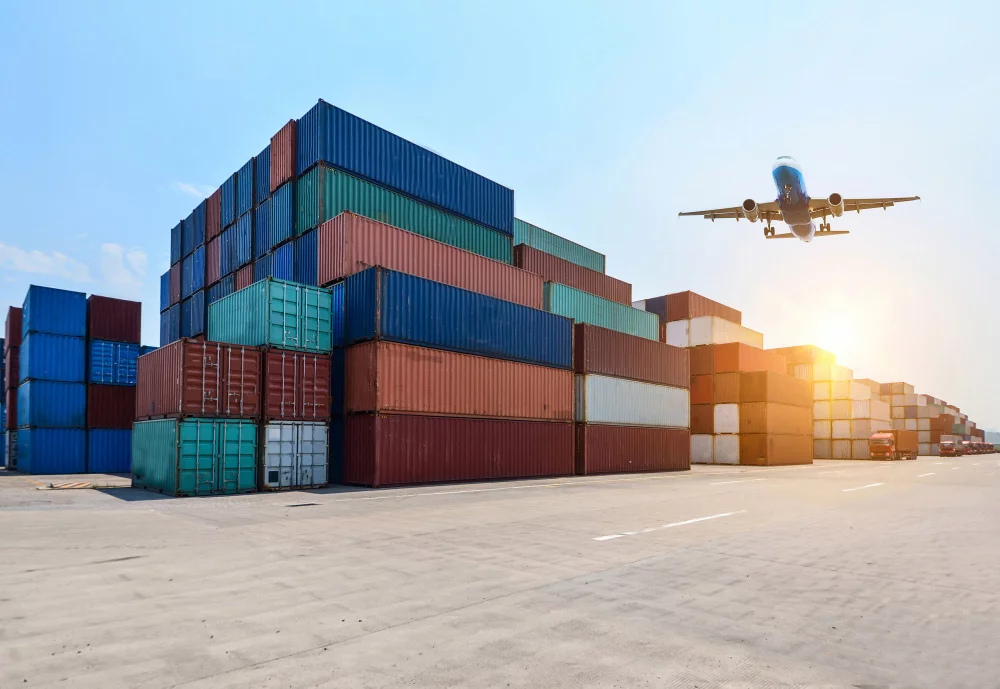
When people say “Flexport JAX,” they’re just talking about Flexport’s setup for shipments through Jacksonville. There’s no dedicated building. The work is done through agreements with local partners and coordinated through the company’s platform. It connects the port’s physical movements to whatever’s happening in your booking page.
Jacksonville’s port handles different types of cargo — containers, cars, and non-containerized freight. It’s close to major highways like I-95 and I-10, plus good rail connections, which means freight can move inland without too much delay. That’s why some importers and exporters prefer it over other East Coast ports.
Main Services Available
From the sources provided, here’s what you can actually get done through Flexport JAX:
- Ocean freight — Book containers, whether it’s a full load (FCL) or sharing space with others (LCL).
- Customs brokerage — Handle clearance with US Customs, including paperwork and duty calculation.
- Trucking and inland moves — Get containers picked up from the port and moved to your next stop.
- Warehouse services — Arrange temporary storage or cross-docking.
- Tracking — See updates on location, clearance status, and delivery estimates.
These aren’t unique to Jacksonville, but they’re tied to the port’s network and schedules.
Why Jacksonville Works for Some Supply Chains
The port’s location is one reason. Deepwater docks allow large ships. It’s also positioned well for certain US destinations, making it faster in some cases than moving cargo through New York/New Jersey or Miami. Road and rail links connect straight to the Southeast and Midwest.
If your goods are coming from Asia, Europe, or South America, routing to Jacksonville can sometimes save time, depending on the origin port’s vessel schedule.
Where Flexport JAX Fits in Practice
Let’s say you’re bringing in a shipment of electronics from Taiwan to Georgia. You could use Savannah or Charleston, but you check schedules and see Jacksonville has a suitable sailing. You book through Flexport, they arrange the ocean freight, clear customs at JAXPORT, and have a truck pick up the container for delivery to your warehouse. The entire process shows in your account without you calling three or four different companies.
Mistakes to Avoid
- Booking too late — Fewer sailings mean you need to reserve space in advance.
- Missing drayage cut-off times — If trucking slots are full, you might end up with storage fees.
- Assuming all cargo types are accepted — Some hazardous or oversize loads need pre-clearance.
- Not checking paperwork carefully — Customs issues can hold your shipment, even if Flexport is filing the forms.
When It Makes Sense to Use Flexport JAX
- You want Jacksonville as a routing option for speed or cost reasons.
- You prefer a single service provider instead of multiple local contracts.
- Your supplier’s sailing schedules match up with JAXPORT arrivals.
- You need both customs and inland delivery handled in one process.
Limitations
Like any port service, it’s affected by local congestion or delays. Since Flexport doesn’t own facilities there, availability depends on their local partners. Rates can vary by season, especially for trucking and storage.
Cost Considerations
The final price depends on container size, freight type, customs requirements, and how far the cargo has to travel from the port. Seasonal demand, like peak holiday imports, can push up rates. Storage and special handling will also change the total.
Tips for Better Results
- Book well in advance of your planned shipment date.
- Make sure the goods arrive at the port in time for loading.
- Watch for updates in the platform to react to any hold-ups.
- Give exact cargo details to avoid last-minute rebooking.
FAQs
Is Flexport JAX an actual location?
No. It’s the way Flexport manages shipments through Jacksonville’s port.
Do they handle exports?
Yes. It works for both imports and exports.
Do small businesses qualify?
Yes. Volume isn’t a blocker.
Do I have to store goods in Jacksonville?
Only if they can’t go straight to their next stop.
Conclusion
Flexport JAX is about using Jacksonville’s port with Flexport’s digital coordination and local partnerships. It’s not about a physical facility — it’s about having all the moving parts of a shipment handled without juggling several different companies yourself. If Jacksonville’s schedules and location work for your business, it can be a straightforward option.
Meta Description:
Flexport JAX manages shipments through Jacksonville’s port using local partners and digital tracking. Learn how it works, who it’s for, and what to watch out for.
Author: James Flick