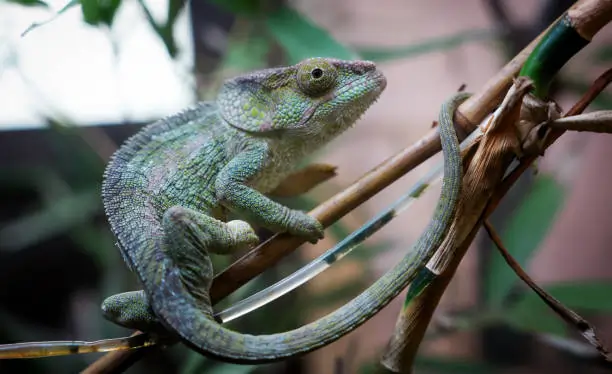
Chameleónovité refers to a family of reptiles known for their unusual movement, color-shifting abilities, and eye structure. These animals appear complex at first, but when you break the information down step by step, they are easier to understand. This guide explains what they are, how they live, what makes them different from other reptiles, and what someone should know if they plan to study or keep them.:
What Chameleónovité Actually Are
Chameleónovité is a scientific family name. It includes chameleons that many people recognize from photos and nature documentaries. They belong to the order of scaled reptiles and are mainly found in Africa, Madagascar, parts of Europe, and small regions of Asia. Most are tree-dwelling and move slowly through branches. They rely on controlled body movement rather than speed.
This family contains over a hundred species. Some species are very small, while others grow to larger sizes. Many have curled tails that help them grip branches. The body is normally compressed from the sides, which gives that flat-looking shape many chameleons have.
Why They Matter And Why People Study Them
People study chameleónovité because they show behaviors and structures not seen in many other reptile groups. Their eyes move independently. Their tongues shoot out in fractions of a second. Their color responses can reflect temperature, mood, or communication with other members of the species. These details help biologists understand how animals adapt to different environments.
There is also practical interest in them for reptile care, conservation work, and ecological research. Some species are sensitive to changes in temperature and humidity. When their population shifts, it can indicate environmental stress in the regions where they live.
How Their Color Changes Actually Work
Chameleónovité are known for changing color. Many people assume they match any background like paint, but that is not accurate. Their skin contains special cells. These cells shift light in different ways when the animal adjusts them. The color change is used for communication and body temperature control. Some species use it for camouflage, but it is not the only reason.
Young chameleons usually show simpler color patterns. Adults tend to show stronger patterns, especially during social interactions. Color change does not mean the animal is confused or stressed every time. Sometimes it is only reacting to warmth or shade.
How Their Eyes Work And Why That Matters
Each eye can move separately. This lets the animal look in two directions at the same time. When it finds food, both eyes focus together for accurate aiming. This design gives them an advantage when hunting insects in a forest full of movement.
Their eyelids cover most of the eye surface except for a small opening. This protects the eye and keeps moisture in. These features help them survive in bright, dry, or heavily wooded environments.
The Tongue Mechanism And Feeding Behavior
Their tongue is one of their strongest tools. The tongue shoots out quickly with a sticky tip. It pulls insects back into the mouth with surprising force. The tongue length can be longer than the chameleon’s own body in some species.
They mainly eat insects, although some larger species may eat small vertebrates. A young chameleon usually eats smaller prey and more frequently because it grows fast.
Habitat And Conditions They Need
Chameleónovité need stable heat, a defined humidity level, and safe spaces to hide in trees. In the wild, they are often found in forests, bushy regions, and warm climates. Their body is not built for cold temperatures. If the temperature drops too much, their movement slows down and their feeding stops.
People who keep them at home need to provide a clean enclosure with climbing branches, controlled lighting, and measured humidity. These reptiles do not do well in small, empty cages. They need space to climb and avoid stress.
Important points to consider include constant temperature checks, proper UV lighting to support bone health, and clean water through misting so they can drink droplets from leaves. Poor care can lead to dehydration, weak bones, and infections.
Common Mistakes When Caring For Them
A frequent mistake is giving them a cage without enough height. Chameleónovité move upward and sideways. They rarely use floor space. Another mistake is using strong direct handling. They are not social pets. They prefer calm surroundings.
Another mistake is giving the same humidity level to all species. Each species has its own natural environment expectations. Matching the wrong humidity can cause respiratory problems. Overfeeding or feeding insects without proper nutrition also creates long-term issues.
How They Compare With Similar Reptiles
Chameleónovité compared with geckos show slower movement but much greater visual control. Geckos do not have independent eye movement. Chameleónovité also rely more on height and tree branches, while geckos adapt to many surfaces.
Compared with iguanas, chameleónovité need more controlled humidity and temperature changes. Iguanas often tolerate handling better while chameleónovité do not.
Compared with anoles, both can change color, but anole color change is limited and used for simple signals. Chameleónovité color changes are more layered.
These comparisons help beginners understand what makes the family distinct and how their needs differ from other reptiles kept in captivity.
Threats And Conservation Factors
Some species face habitat loss due to deforestation and construction. Climate changes create additional pressure because their survival depends heavily on temperature and humidity stability. Illegal trade also affects wild populations.
Conservation groups work to protect natural habitats and regulate trading to prevent overcollection. Good knowledge of their habitat requirements supports these efforts.
What You Should Know Before Buying One
These animals are not simple pets. They require regular monitoring. You should know the correct habitat setup for your chosen species. You must check temperature ranges, humidity schedules, lighting needs, and feeding routines.
You should also be prepared for regular costs of food, lighting, and enclosure maintenance. If you cannot provide stable conditions every day, the chameleónovité may become sick. Reading about your chosen species before buying prevents mistakes.
FAQs
What do chameleónovité eat?
They mainly eat insects and sometimes small vertebrates, depending on species size.
Do all species change color?
Most species can change color, but the strength and purpose vary. Some use it mainly for communication or heat control.
How long do they live?
Lifespan ranges widely. Small species may live a few years, while larger species can live longer with proper care.
Are they good for beginners?
They are not the easiest reptiles. They need stable environmental control and careful handling.
Can they live with other reptiles?
Most species should be kept alone because they are territorial and get stressed around others.
Conclusion
Chameleónovité is a diverse family of reptiles with unusual features such as eye independence, color adjustment, and rapid tongue movement. They require detailed habitat care and are best suited for keepers who can maintain stable conditions. Understanding species differences, environmental needs, and common care mistakes helps anyone appreciate and handle them responsibly.