
Life Style
Hakini Mudra: Benefits, Steps, Meaning, and How to Practice

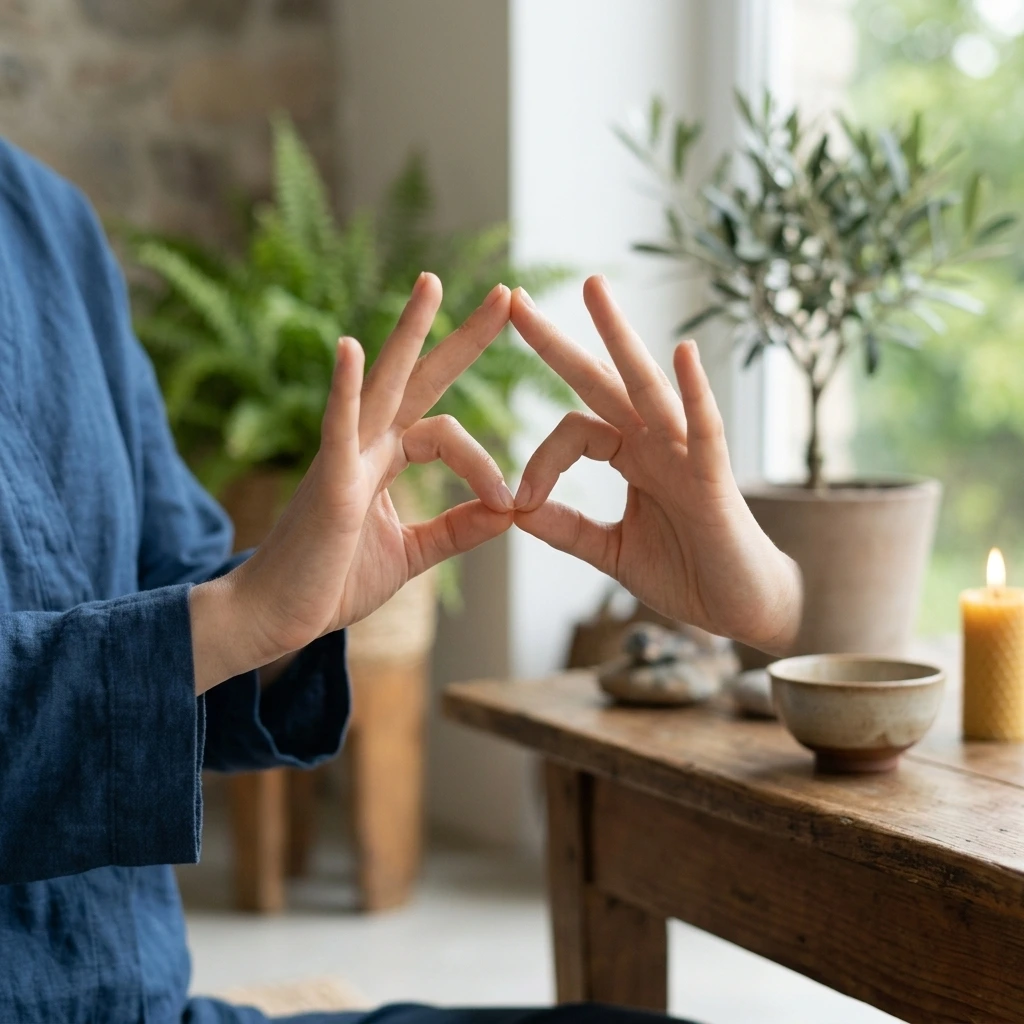
Discover Hakini Mudra benefits, meaning, steps, and practice tips for better focus, calm, meditation, and mindful breathing.
Table of Contents
Introduction
When your mind feels busy, scattered, or tired, a simple hand gesture can offer a quiet pause. Hakini Mudra is a traditional yoga mudra often used during meditation practice to encourage focus and awareness. You bring the fingertips of both hands together while keeping the palms slightly apart, then settle your attention on the breath. In yogic traditions, this hand mudra is associated with the Third Eye Chakra, intuition, and inner awareness. While modern science doesn’t confirm every traditional claim, the practice can complement relaxation and mindful breathing. Whether you’re new to yoga or already meditate regularly, Hakini Mudra offers a simple way to slow down, reconnect, and practice with intention.
What Is Hakini Mudra? Meaning, Sanskrit Name, and Symbolism
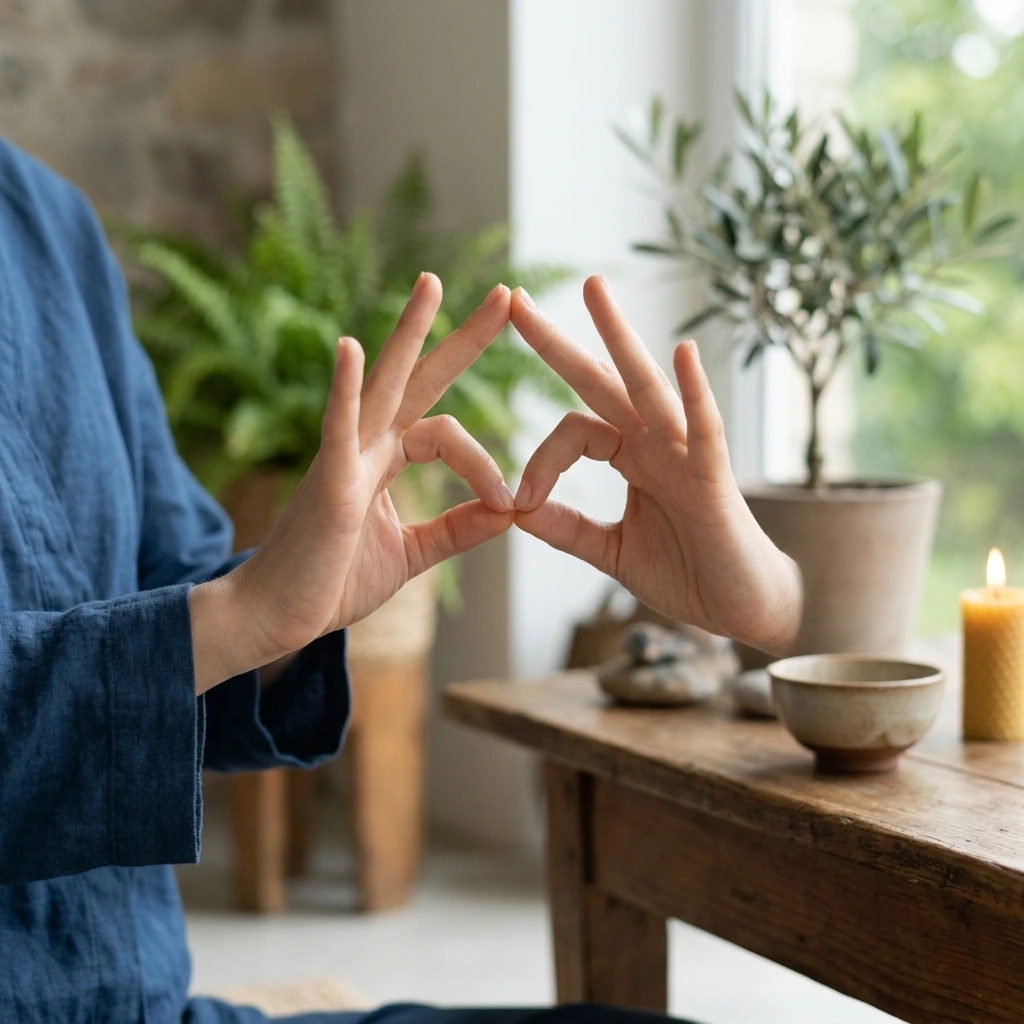
At its heart, Hakini Mudra is a sacred hand gesture, hasta mudra, and yogic hand gesture used during contemplative practices. Tummee describes Hakini as the goddess associated with the Third Eye. The term mudra generally refers to a symbolic gesture or seal used within yoga and meditation traditions.
The symbolism goes deeper than finger placement. Traditional teachings describe Goddess Hakini as a yogini goddess connected with intuition, imagination, clarity, and inner knowing. The gesture therefore becomes a power gesture and energy gesture for directing attention inward. It’s best understood as a traditional spiritual practice, not a proven medical treatment.
Hakini Mudra and Its Place in Yoga
Unlike a demanding physical posture, this mudra mainly asks you to coordinate your hands, breath, posture, and attention. It can appear within Hatha Yoga, Kundalini Yoga, Gentle Yoga, Chakra Yoga, and Therapy Yoga settings. Tummee also lists it alongside Vinyasa, Viniyoga, and Yinyasa practices.
How to Perform Hakini Mudra: Step-by-Step Instructions
Start by choosing a comfortable seated position where your spine can remain naturally upright. Sukhasana, Padmasana, Vajrasana, or a supportive chair can work well. Bring your hands toward your chest, then touch the fingertips of both hands together. Keep the palms apart, creating a small open space between them.
Next, let the thumbs rest gently near the sternum while your fingers point upward. Keep the contact light rather than pressing hard. Close your eyes if that feels comfortable, then notice your breathing. Traditional instructions often direct attention toward the space between the eyebrows. However, you can keep your gaze natural if that feels easier.
| Practice element | Simple instruction |
|---|---|
| Posture | Sit comfortably with an upright spine |
| Hands | Touch corresponding fingertips together |
| Palms | Keep a relaxed space between them |
| Thumbs | Let them rest gently near the sternum |
| Breathing | Breathe slowly without forcing it |
| Attention | Notice breath, body, or the brow area |
| Duration | Begin with several comfortable breaths |
Hakini Mudra Benefits for Focus, Memory, and Mental Clarity
The most useful way to approach the traditional benefits is through attention and awareness. Practitioners use the gesture to improve concentration, improve focus, and cultivate mental clarity during quiet practice. Tummee specifically describes awareness of breath, mind, and thoughts as a central feature of the practice.
Traditional yoga sources also associate the gesture with memory, creativity, logical thinking, and coordination between the brain hemispheres. These claims belong to yogic tradition and shouldn’t be presented as established medical facts. Still, a calm posture, deliberate breathing, and sustained attention can make meditation practice feel more organized and purposeful.
Hakini Mudra for Focus and Memory
A useful modern application is a short reset during mentally demanding work. Sit quietly, form the gesture, and spend a few minutes noticing your breathing rather than chasing every thought. This can support mental awareness, inner awareness, and a calmer approach to tasks requiring sustained attention.
Hakini Mudra and the Third Eye Chakra
In traditional yoga philosophy, Hakini Mudra has a strong connection with the Third Eye, also called the Third Eye Chakra or Ajna Chakra. This chakra is traditionally associated with intuition, insight, imagination, and inner perception. Tummee describes Hakini as the goddess presiding over this energetic center.
Traditional chakra practice sometimes begins attention at the Muladhara Chakra, or Root Chakra, before moving toward Ajna. This energetic map also includes concepts such as spiritual energy and upward energy flow. These ideas belong to yogic philosophy rather than modern anatomy, so it’s helpful to keep the distinction clear.
When and How Long to Practice Hakini Mudra
There’s no single perfect time for this practice. You might use it before meditation, during a quiet morning routine, or after a demanding work session. Tummee notes that it can also be practiced while seated at a desk, provided you’re physically and mentally ready.
For beginners, several relaxed breaths provide a sensible starting point. You can gradually extend the session when the position feels comfortable. Tummee describes longer practices lasting around 15–20 minutes for some sequences. However, duration matters less than steady breath awareness and comfortable attention.
How Often Should You Practice Hakini Mudra?
Consistency usually beats intensity. A brief daily meditation practice can be easier to maintain than occasional long sessions. Try using the gesture during a quiet pause, then notice whether your attention feels steadier afterward.
Breathing and Meditation With Hakini Mudra
Breathing gives the hand position a deeper rhythm. Begin with several natural breaths, then observe how the chest, abdomen, and ribs move. Tummee describes using Dirga Pranayama or Three Part Breath before entering the gesture. The goal is gentle coordination rather than forceful breathing.
As you continue, notice the mind-body-breath connection without trying to control every sensation. Traditional practice may also focus attention between the eyebrows while moving awareness through different energetic centers. If that creates strain, return to ordinary breathing and a comfortable visual focus.
A Simple Hakini Mudra Meditation
Sit comfortably and settle your shoulders first. Form the gesture with light fingertip contact. Take several slow breaths, then observe your thoughts without judging them. Let body awareness, breath awareness, and attention work together naturally. Finish by releasing the hands and sitting quietly for a few moments.
Hakini Mudra Variations and Modifications
Not every hand or seated posture feels identical. If fingertip contact creates discomfort, reduce the pressure or adjust the hand position. You can also practice from a chair instead of sitting on the floor. Comfort matters more than creating a picture-perfect shape. The gesture should never become a test of flexibility.
Traditional variations may include related gestures such as Anjali Mudra, Chinmaya Mudra, Khechari Mudra, and other meditation-oriented hand positions. Tummee also lists several mudra variations around Hakini practice. These alternatives can change the emphasis of a sequence while preserving its contemplative quality.
Hakini Mudra in Yoga Sequences: Preparatory and Follow-Up Poses
Hakini Mudra can fit neatly between gentle movement and seated meditation. Tummee lists Sukhasana, Lotus-related practices, other mudras, and grounding postures among preparatory options. Follow-up practices include Shavasana, Nadi Shodhana, and other calming gestures.
A simple sequence might begin with gentle shoulder and wrist movements before settling into a comfortable seat. You could then practice Three Part Breath, enter Hakini Mudra, meditate briefly, and finish with relaxed breathing. This structure creates a gradual transition from physical movement toward stillness.
Example Hakini Mudra Yoga Sequence
Begin seated and take several relaxed breaths. Move through gentle neck and shoulder movements, then settle into your chosen posture. Practice the gesture for several breaths before sitting quietly. Finish with a few moments of relaxation. This sequence keeps the emphasis on balance and harmony, rather than performance.
Hakini Mudra Contraindications and Safety Precautions
Safety starts with comfort. Tummee advises caution for people recovering from recent wrist or finger injuries or surgery because hand discomfort can interfere with concentration. The source also emphasizes body and breath awareness during the practice.
Don’t force the fingertips together or strain your wrists. If pain, dizziness, unusual discomfort, or emotional distress appears, release the gesture and return to normal breathing. People managing injuries, serious health concerns, or significant psychological distress should seek appropriate professional guidance before using yoga as a therapeutic practice.
FAQs About Hakini Mudra
1. What is Hakini Mudra?
Hakini Mudra is a traditional hand gesture used during yoga and meditation to support focus, awareness, and calm breathing.
2. What are the benefits of Hakini Mudra?
It may support concentration, mental clarity, relaxation, memory, and a more focused meditation practice.
3. How do you practice Hakini Mudra?
Touch the fingertips of both hands together, keep your palms slightly apart, and breathe comfortably while focusing your attention.
4. How long should you practice Hakini Mudra?
Beginners can start with a few minutes and gradually increase the time as the practice becomes comfortable.
5. Is Hakini Mudra connected to the Third Eye Chakra?
Yes. Traditional yoga associates Hakini Mudra with the Ajna or Third Eye Chakra and its themes of intuition and inner awareness.
Conclusion
Hakini Mudra offers a remarkably simple doorway into stillness. Its fingertip connection creates a physical anchor while breathing and attention bring the mind toward greater steadiness. Traditional yoga links it with intuition, focus, the Third Eye, and balanced energy.
Start small. Sit comfortably, touch the fingertips lightly, breathe naturally, and observe what happens. You don’t need to force an experience or chase mystical results. With patient practice, this yoga mudra can become a quiet reminder to pause, breathe, and reconnect with yourself.