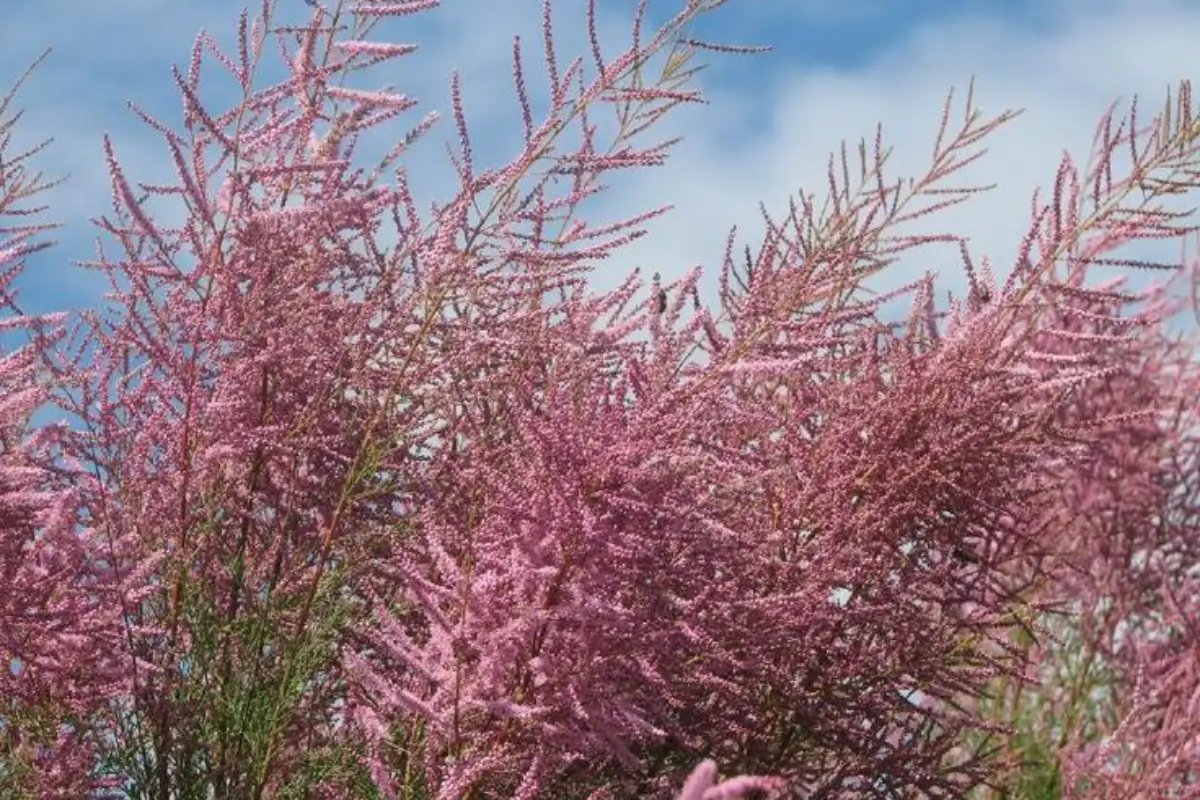
Ракитовица is a hardy shrub or small tree from the Tamarix family. People have used it for wood, as a simple traditional remedy, and to collect sweet sap. This article explains what it is, how it’s used, common mistakes, and what research actually says.
Table of Contents
Introduction
Ракитовица is a name used for plants in the Tamarix group. One well-known species is Tamarix senegalensis. It grows in salty, sandy, or dry areas where many plants would simply fail. There’s a lot of confusion online about what ракитовица is supposed to do, so instead of repeating claims, this article walks through what the plant really offers based on practical uses and actual scientific information.
What Is Ракитовица?
Botanical Basics
Ракитовица belongs to the Tamarix genus. These are shrubs or small trees that thrive in extremely tough environments. Tamarix senegalensis typically grows to a height of around 2–5 meters. The leaves are tiny and scale-like, helping the plant reduce moisture loss. It grows across North Africa, parts of the Middle East, and into Western Asia.
Appearance
Dense, twiggy branches
Very small leaves
Clusters of tiny flowers, depending on the species
Different Tamarix species often look similar, so people may lump them together under the same name even when they aren’t the same plant.
Traditional and Practical Uses
Ракитовица has been part of daily life in dry regions for generations. Most uses come from necessity rather than luxury.
Wood and Everyday Objects
The wood is strong enough for small construction jobs. It has been used for:
Poles and simple building frames
Tent pegs
Basic tools
Firewood
Because these plants grow in harsh regions, villagers often depend on them when other wood sources are limited.
Food-Related Uses
Some Tamarix species produce a sweet resin or honeydew. It can be collected and used as a mild natural sweetener. It’s not a sugar replacement for modern diets, just something used traditionally when available. Livestock, especially camels, may nibble on young twigs.
Traditional Medicine
Across different cultures, ракитовица has been used in simple home remedies. Examples include:
Decoctions of twigs for eye irritation
Infusions for mild respiratory discomfort
Bark or galls are used for fevers or skin problems
These practices come from tradition. They are not tested treatments. People use what grows around them, and Tamarix is often one of the few plants that survives in dry areas.
What’s Inside the Plant?
Scientists have analyzed Tamarix species to understand what compounds they contain. The results show several types of common plant chemicals.
Main Groups of Compounds
Polyphenols: Often linked with antioxidant activity in lab settings.
Flavonoids: A broad group of plant compounds studied for many biological effects.
Tannins: Known for their astringent feel and protein-binding behavior.
Other analyses of related Tamarix species found compounds such as steroids, saponins, and phenolic acids. These chemicals do not mean the plant is a miracle treatment. They simply explain why traditional healers may have found it useful for certain applications.
Why People Talk About These Compounds
Lab tests show Tamarix extracts can display:
Antioxidant activity
Some antimicrobial effects
Mild anti-inflammatory signals in controlled experiments
But these are laboratory results. They do not prove that ракитовица treats illnesses in humans. That step requires clinical trials, and those trials do not exist yet.
Comparing Ракитовица to Similar Plants
A lot of confusion happens when people mix ракитовица with sea buckthorn (Hippophae). The two plants have nothing in common besides being hardy.
Plant type
Shrub/tree in dry or salty soils
Berry-producing shrub
Edible parts
Occasional resin or honeydew
Fruits rich in nutrients
Traditional use
Wood, simple remedies
Oils, juices, supplements
Scientific evidence
Limited
Some human-level research
When someone calls ракитовица a “vitamin bomb,” they are usually mixing it up with sea buckthorn. Tamarix species have not been shown to carry high vitamin levels.
Common Misunderstandings About Ракитовица
Misunderstanding 1: “It’s a superfood.”
There is no evidence for that. Tamarix is not known to be rich in vitamins or minerals. It’s not a fruit plant.
Misunderstanding 2: “Traditional use means it works.”
Traditional use only shows what people tried in the past. It does not confirm effectiveness or safety.
Misunderstanding 3: “Plants are harmless.”
Any herbal material can cause reactions or complications. We don’t have enough safety data for ракитовица, so using it medicinally without guidance is guesswork.
Misunderstanding 4: “Lab studies prove health benefits.”
Lab studies only show what happens in controlled samples. They do not show real results in humans.
FAQs
Is ракитовица edible?
Some parts are used in specific contexts, like sweet resin, but they are not commonly eaten like a fruit or herb.
Does it help with inflammation or digestion?
There are traditional claims, and there are lab studies showing chemical activity. But there is no proof from human trials.
Can I use it safely for home remedies?
There is no confirmed safe dose or modern medical guidance. Without proper knowledge, you risk using it incorrectly.
What part of the plant is most useful?
Traditionally, twigs, bark, and occasionally galls or resin have been used for various purposes.
Conclusion
Ракитовица is a tough plant that thrives where many others fail. People have relied on it for wood, small projects, and simple traditional remedies for generations. Scientific studies show that Tamarix species contain polyphenols, tannins, and other compounds that look interesting in the lab. But none of this proves that ракитовица is a powerful medicine or a modern nutritional source.
If someone wants to use ракитовица today, the safest approach is to treat it as a traditional plant with limited research. Enjoy learning about it, understand the cultural uses, but don’t expect medical results that have never been tested.