Let’s talk about žižole. It’s an alcoholic drink made from jujube fruit. This article explains what it is, how it’s made, why it tastes the way it does, and where you can find it, all in plain language.
Introduction
You might have heard the name žižole recently. It pops up in stores, online, and in conversations about different kinds of drinks. It’s presented as something old, something new, something healthy, something just interesting. It can be hard to figure out what it actually is. So let’s clear that up. Žižole is a fermented alcoholic beverage made primarily from the jujube fruit. People often call it a jujube wine.
That’s the core of it. It’s not a spirit like vodka or whiskey, and it’s not a beer. Its process is much closer to how grape wine is made, but it uses a different fruit. This simple fact leads to a lot of questions, which we will answer directly. We won’t use fluffy language or make it seem like magic. It’s a drink with a history and a specific production method. We’ll look at why it tastes like it does, where the idea came from, and what the real story is behind the health talk.
What Exactly is Jujube Fruit?
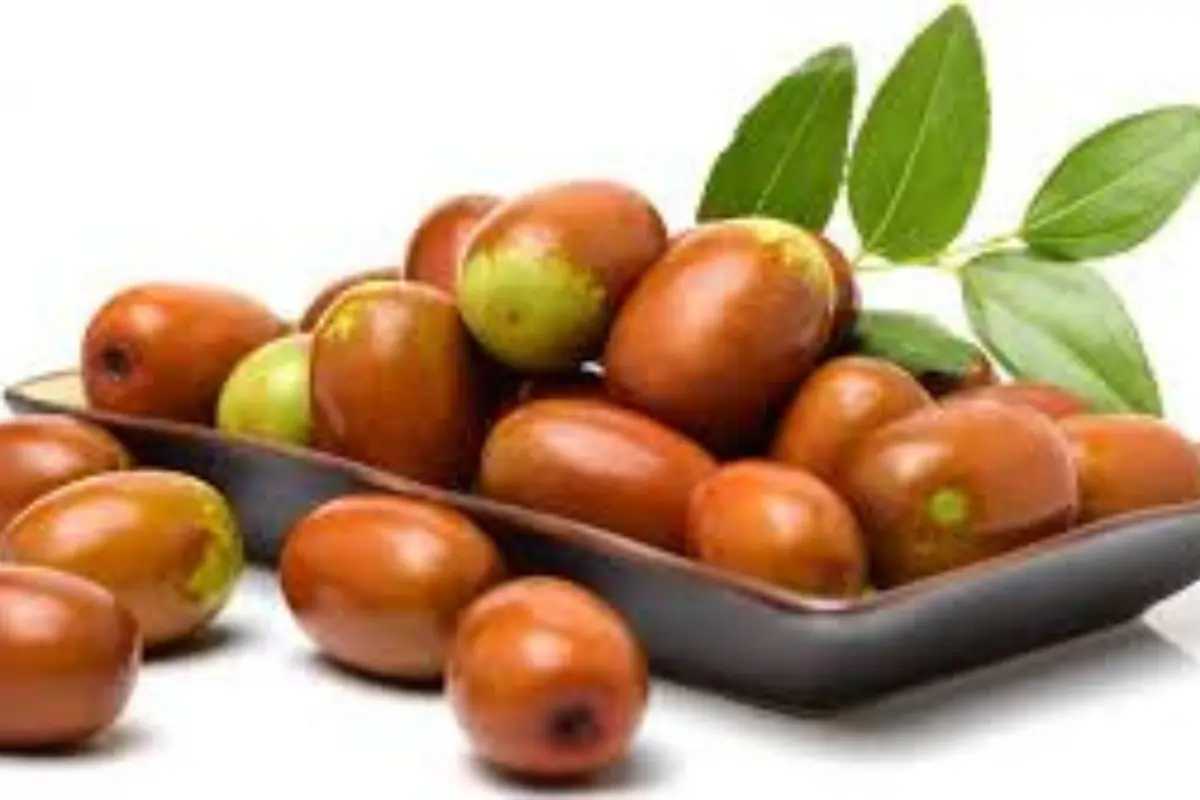
To get žižole, you first need to understand its main ingredient. The jujube fruit is sometimes called a Chinese date or, in some places, a ber. It’s a small, red or dark brown fruit that grows on a tree. If you haven’t seen one fresh, imagine a small, round fruit about the size of a large olive or a small plum.
When it’s fresh, its texture is crisp like an apple. When dried, it becomes chewy and sweet, similar to a date, which is where one of its common names comes from. This isn’t a new, lab-created superfruit. It has been a staple in parts of Asia, the Middle East, and Southeastern Europe for thousands of years. In many of these cultures, the fruit is eaten as a snack and used in traditional medicine practices.
It’s the base sugar, the flavor, and the character for žižole. The quality of the jujube used directly impacts the final product. Producers who focus on quality tend to source organic jujubes and highlight their origin, much like a vineyard would talk about its grapes.
The Making of Žižole: From Fruit to Alcohol
The transformation from fruit to an alcoholic drink is straightforward. It’s a process of fermentation. The jujubes are harvested, cleaned, and then crushed or pressed to extract their juice. This juice is naturally sugary. Yeast is then introduced to this sugary liquid. The yeast eats the sugars, and as a metabolic byproduct, it produces two main things: alcohol and carbon dioxide.
This is the fundamental process for creating any wine or beer. For žižole, the process is typically managed to result in an alcohol content of around 12% Alcohol By Volume (ABV). This is a key fact. It places žižole squarely in the same alcohol range as most table wines. It is not a strong spirit.
The fermentation is stopped at a certain point, and the liquid is clarified and bottled. High-quality žižole production emphasizes a minimal ingredient list: jujubes, water, and yeast. Some producers explicitly state they add no extra sugars, preservatives, or chemicals, relying entirely on the natural sweetness and flavor of the fruit itself.
The Flavor Profile: What Does Žižole Actually Taste Like?
This is the most common question. If you’re expecting it to taste like grape wine, you will be surprised. The flavor is unique because the fruit is unique. Based on descriptions from makers and tasters, the taste can be broken down into a few key notes. First, there is an inherent sweetness from the ripe jujube.
It’s not a sugary sweetness, but more of a rich, fruity one. Second, there is often a tangy or tart edge to it, which keeps the sweetness from being overwhelming. Underneath that, you get earthy and slightly floral notes. The overall sensation is often described as smooth and rich. Some people compare it to a lighter port or a fortified wine, but less syrupy. It’s a complex flavor that changes as you sip it. This makes it a drink that many prefer to sip on its own, rather than mixing it into a cocktail.
The Historical and Cultural Story Behind the Drink
A significant part of žižole’s identity is its backstory. It is not marketed as a new invention. Instead, it’s framed as a revival or a rediscovery. The practice of fermenting jujubes is historically rooted in specific regions, particularly the Caucasus. There is evidence and tradition of jujube wine being made in countries like Georgia and Armenia for a very long time, potentially centuries.
In these cultures, the jujube tree itself is often a symbol of life and vitality. So, when a modern brand talks about žižole, they are often linking their product to this ancient practice. They are saying, “We didn’t create this; we found it and are bringing it to you now.” This adds a layer of authenticity. It’s not a fad created in a marketing meeting; it’s a traditional drink with a real cultural footprint that had faded from global view.
Žižole and the Health Conversation
This is an area that requires clear, factual talk. Jujube fruit itself is nutritionally dense. It is known to be high in Vitamin C, contains various antioxidants, and has a history of use in systems like Traditional Chinese Medicine for aiding sleep and digestion. Now, here is the critical part: when you ferment the fruit into an alcoholic beverage, does it retain these properties? Producers of žižole will suggest that it does.
They position it as a “functional” or “wellness” beverage, implying that you can enjoy an alcoholic drink while also getting some of the benefits of the jujube. It is crucial to approach this with a logical mind. While the base ingredient is healthy, žižole is still an alcoholic drink. The primary reason for consuming it should be taste and experience. Any potential health benefits should be seen as a possible secondary bonus, not the main reason to drink it. Making major health decisions based on an alcoholic beverage is not advisable. Enjoy it for what it is: an interesting, tasty drink. Don’t treat it as medicine.
How to Drink Žižole and Who It’s For
Žižole’s versatility is one of its selling points. So, how do you actually use it? Its most common role is as a digestif. That means it’s drunk slowly after a meal to aid digestion. The complex, slightly sweet flavor is a nice way to finish dinner. It also pairs well with cheese, especially harder, aged cheeses, and with dark chocolate or nut-based desserts. You can drink it chilled, at room temperature, or even slightly warmed, depending on your preference. It’s typically served in a small wine glass or a sherry glass.
As for who it’s for, it appeals to a few groups. It’s for the curious drinker who is tired of the usual wines and spirits. It’s for people interested in historical foods and traditional methods. And it’s for those who are drawn to the idea of “clean” ingredients—knowing that their drink is made from a short, simple list of natural components.
Comparison with Other Alcoholic Drinks
It’s useful to see how žižole fits into the wider world of alcohol.
- Vs. Grape Wine: This is the closest comparison. Both are fermented fruit juices around 12% ABV. The difference is entirely in the flavor profile. Grapes offer a different set of acids and sugars than jujubes, leading to a completely different tasting experience. Žižole is generally richer and more earthy than a typical white wine and less tannic than a red.
- Vs. Brandy or Spirits: This is a clear difference. Žižole is fermented, not distilled. Distillation concentrates the alcohol, creating a much stronger spirit (35-50% ABV). Žižole is not that.
- Vs. Commercial Beer: Beer is made from fermented grains, not fruit. The process is different and the ABV is usually much lower (4-6%). Žižole is closer to wine than beer in almost every aspect.
- Vs. Ciders: This is a better comparison, as cider is also a fermented fruit juice. However, cider is made from apples, which gives it a distinctly different, often tarter and lighter, flavor profile than the rich, deep taste of žižole.
FAQs
What is jujube fruit called in English?
It is commonly called the Chinese date or red date.
What are the benefits of jardalu?
Jardalu is the Hindi name for apricots, which are a different fruit altogether and not related to jujube.
What is Ziziphus jujuba used for?
It is eaten fresh or dried as a snack and is widely used in traditional medicine for sleep and digestion.
What is the common name for Ziziphus jujuba?
The most common name is jujube, or Chinese date.
Who should not drink jujube tea?
People on diabetes or blood pressure medication should avoid it, as it can interact with these drugs.
Conclusion
Žižole is, at its heart, a simple concept: a fermented drink made from jujube fruit. Its appeal comes from the unique flavor of that fruit, its historical roots in Caucasus region traditions, and its alignment with a modern desire for natural, minimally processed foods and drinks. It offers a distinct alternative to more common alcoholic beverages.
The health associations of the jujube fruit are a part of its story, but they should be understood in context. The main reason to try žižole is for its taste and the experience of something different. It’s a rich, slightly sweet, and complex drink with a real history behind it. If you see a bottle, you now know what you’re looking at.