Health
Cat Cow Exercise for Flexibility, Mobility, and Back Health

Cat cow exercise guide: Learn proper form, benefits, breathing, variations, and tips for improving flexibility, mobility, and back health.
Table of Contents
Introduction
A stiff back can make your morning routine, workout, or workday feel uncomfortable. The cat cow exercise offers a simple way to add gentle movement to your spine without equipment. This flowing exercise moves between two positions, helping you explore spinal mobility, back flexibility, and a comfortable range of motion. It’s easy to learn and can fit into a warm-up, yoga session, or daily mobility routine.
You’ll also coordinate your breathing with each movement, which can make the exercise feel smoother and more controlled. Whether you spend hours sitting at a desk or want better movement before training, Cat-Cow can be a practical addition to your routine. The key is steady movement without forcing your body.
What Is the Cat-Cow Stretch?

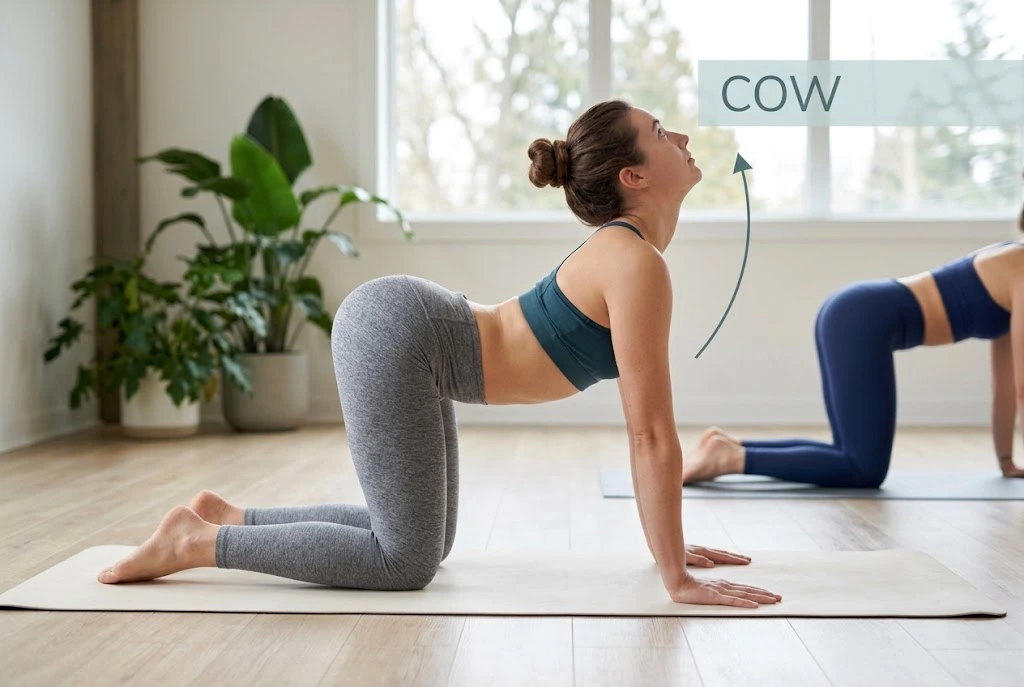
The Cat-Cow stretch is a flowing body movement that alternates between spinal rounding and extension. It comes from traditional yoga practice and combines two positions. Cat rounds the back, while Cow gently opens the front of the body and extends the spine.
Unlike a standalone stretch, Cat-Cow keeps you moving between positions. That makes it useful for warming up and exploring spine flexibility. Regular practice may also support spinal flexibility, comfortable movement, and better posture when combined with other healthy habits.
How to Do the Cat-Cow Stretch Step by Step
Start in a tabletop position on a yoga mat or soft surface. Come onto all fours with your hands and knees supported. Keep your hands in line with shoulders and your knees under hips. Keep your head and neck relaxed and your spine comfortable.
From there, begin a slow rhythm between Cat and Cow. Keep your belly drawn in gently to help support your back. Use a comfortable spine alignment rather than forcing a dramatic curve. Keep your gaze toward the floor as you prepare to move.
Starting Position
A good starting position creates a stable base for the whole exercise. Spread your fingers comfortably and keep your shoulders relaxed. Your knees should rest beneath your hips. Keep your neck long and let your spine settle into a natural position before moving.
If your wrists or knees feel uncomfortable, make the movement smaller. A folded towel can soften the surface beneath your knees. You can also use a cushion for extra comfort. Good setup matters because it lets you focus on movement instead of distraction.
Cat Pose: How to Perform the Movement
Begin Cat by breathing out as you round your spine toward the ceiling. Gently tuck your tailbone underneath you and tuck your chin toward your chest. Let your shoulder blades move apart as your upper back rises. Keep the movement smooth rather than abrupt.
Think of your spine as a flexible chain rather than one solid piece. Move through it gradually from the pelvis upward. Don’t force your neck or lower back. Instead, move slowly and let each part respond naturally. This approach supports control and comfortable spinal mobility.
Cow Pose: How to Perform the Movement
From Cat, inhale as you gently move toward Cow. Lift your tailbone, lower your belly, and allow your chest to move forward. Then open your chest while keeping your shoulders relaxed. As the movement feels comfortable, lift your head slightly and raise your gaze.
Avoid pushing your lower back into an extreme arch. Cow should feel like controlled extension, not a contest for maximum flexibility. Keep your head and neck relaxed throughout. If your back feels pinched, reduce the movement and return to a smaller, easier range.
How to Breathe During the Cat-Cow Stretch
Breathing gives this movement a natural rhythm. Inhale as you move into Cow, then exhale as you return toward Cat. Try to sync your breath with movement instead of rushing through each position. This simple pattern can improve breath awareness during exercise.
You can also use mindful breathing to make the exercise calmer. Take comfortable breaths rather than forcing deep breathing. When you pay attention to each inhale and exhale, the movement can become a brief form of mindfulness. That may also support relaxation and stress relief.
Benefits of the Cat-Cow Stretch
One major benefit is its gentle contribution to spinal mobility. The alternating positions move your spine through flexion and extension. This can make Cat-Cow useful before workouts or during a daily routine. It may also help ease the feeling of ordinary back stiffness.
The exercise also engages your core muscles as you control the spine and pelvis. However, it shouldn’t replace dedicated strength training for core strength. Its bigger value comes from combining controlled movement, breathing, and awareness in one simple exercise.
Cat-Cow Stretch for Back Pain, Flexibility, and Mobility
For some people, gentle movement feels helpful when ordinary back stiffness develops after sitting or staying still. Cat-Cow encourages comfortable back flexibility without requiring heavy resistance. It may also help you become more aware of how your spine moves through different positions.
Still, exercise isn’t a universal answer for back pain. Persistent pain needs proper assessment, especially when other symptoms appear. Use a smaller range of motion if needed. Stop if movement increases pain rather than helping you reduce tension and move comfortably.
How Many Cat-Cow Stretches Should You Do?
For most beginners, around five to ten controlled cycles provides a sensible starting point. Move through each position without rushing. You don’t need dozens of repetitions to benefit from a short mobility session. Quality matters more than chasing a high number.
You can include Cat-Cow in a morning stretching routine, before exercise, or during a workday break. Consistency matters more than intensity. A few comfortable repetitions within your daily routine may be more useful than an occasional long session that leaves you sore.
Common Cat-Cow Stretch Mistakes to Avoid
Rushing is one of the easiest mistakes to make. Another is moving mainly through the neck while ignoring the rest of the spine. Avoid forcing your back into extreme positions. Keep your shoulder blades relaxed and let your spine move gradually.
Breath holding can also make the exercise feel stiff. Instead, maintain a steady flow between Cat and Cow. Don’t chase a deeper stretch simply because you can see someone else doing it. Your comfortable range may differ, and that’s completely normal.
Cat-Cow Stretch Variations and Modifications
You don’t have to perform Cat-Cow on the floor. A seated version can work well if kneeling bothers your knees. A standing variation can fit into an office break. You can also use a stable chair for support when getting onto hands and knees feels difficult.
For wrist discomfort, try reducing the pressure or changing your hand position. A thicker soft surface may help your knees. Smaller movements can also make the exercise more accessible. The goal remains comfortable movement, controlled breathing, and gradual improvement rather than forcing flexibility.
FAQs About the Cat-Cow Exercise
What is the cat-cow exercise good for?
The cat-cow exercise is mainly used to improve spinal mobility, flexibility, and comfortable movement. It gently moves the spine through rounding and extension. It can also help reduce feelings of back stiffness and works well as part of a warm-up or daily mobility routine.
What muscles does a cat-cow work?
Cat-Cow gently engages the core muscles, including the abdominal muscles, while also involving muscles around the spine, shoulders, hips, and pelvis. It’s primarily a mobility exercise rather than a heavy strength exercise.
Who should not do cat-cow pose?
People with an injury, severe back pain, significant wrist or knee pain, or a condition that makes spinal movement unsafe should avoid Cat-Cow unless a healthcare professional recommends it. Stop immediately if the exercise causes sharp or worsening pain.
What is the cat/cow pose used for in exercise?
Cat-Cow is commonly used as a mobility exercise, warm-up, or yoga movement. It helps prepare the spine for activity and encourages controlled movement through a comfortable range of motion. You can also use it during breaks from prolonged sitting.
How many times should I do cat-cow?
Beginners can start with 5 to 10 slow repetitions. Focus on smooth movement and steady breathing rather than completing as many repetitions as possible. If it feels comfortable, you can gradually include Cat-Cow more regularly in your stretching or mobility routine.
Final Thoughts
The Cat-Cow stretch is simple, but simplicity can be powerful. Its alternating movements encourage spinal mobility, controlled breathing, and comfortable movement without equipment. When practiced consistently, it can become an easy addition to your mobility work, warm-up, or daily routine.